Introduction
Industrial inspections are the backbone of modern infrastructure management, spanning energy production, manufacturing, construction, and transportation. Drones have emerged as powerful tools in this field, drastically reducing inspection costs, improving safety, and providing faster, more accurate data. Yet, one of the biggest challenges companies face is not the drone itself but how drones are deployed, charged, and managed in demanding industrial environments.
This is where drone hub design becomes mission critical. A well-engineered hub ensures drones can operate autonomously, withstand environmental stress, and deliver consistent inspection outcomes. In this blog, we will explore:
-
The fundamentals of drone hub design.
-
The key factors for building reliable and durable drone stations.
-
How industrial drone hub systems differ from consumer-grade solutions.
-
Best practices for integrating hubs into inspection workflows.
-
A cost-benefit comparison of deploying drone hubs.
By the end, you’ll understand why drone hub design is the linchpin of any scalable, autonomous inspection strategy.
What is Drone Hub Design?
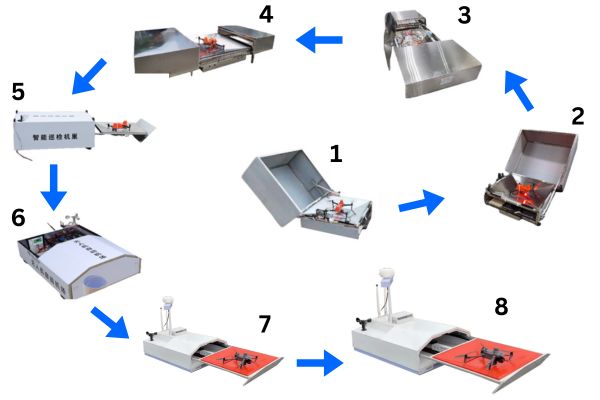
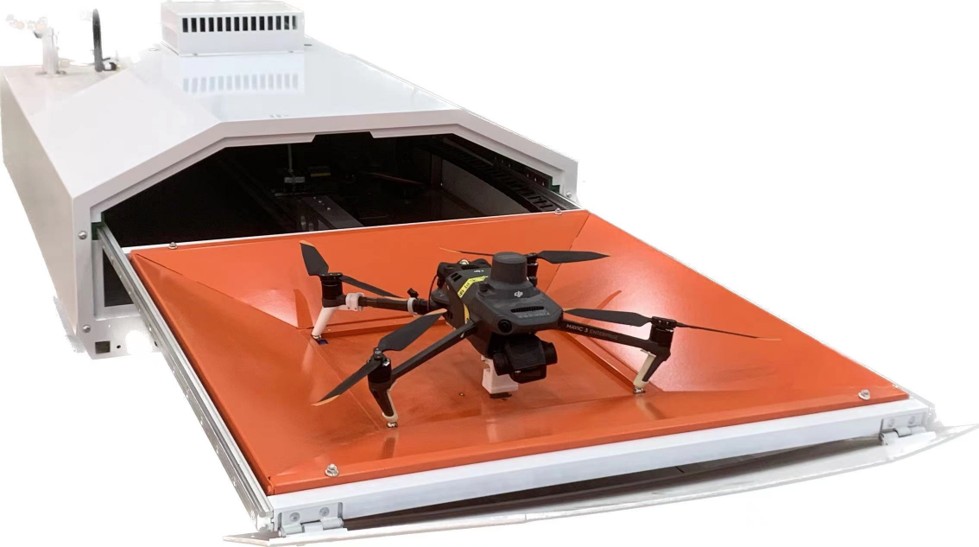
At its core, drone hub design refers to the engineering and construction of automated docking stations where drones can:
-
Land autonomously.
-
Recharge or swap batteries.
-
Upload inspection data to the cloud.
-
Stay protected from environmental elements.
Unlike ad hoc charging stations, industrial drone hubs are built to support repeated operations in rugged and often remote locations.
The design is not only about hardware durability; it is also about integrating sensors, software, and smart automation to create a reliable drone station that enables 24/7 operation.
Why Drone Hubs Matter in Industrial Inspections
Industrial environments place unique demands on inspection systems:
-
Harsh conditions (extreme weather, dust, moisture).
-
Large-scale assets (solar farms, oil pipelines, bridges).
-
Need for continuous monitoring (safety compliance, predictive maintenance).
Without a durable drone hub, drones are limited by short battery life, lack of protection, and the need for human intervention. With one, drones become autonomous tools capable of sustained inspection cycles.
👉 Explore our durable drone hub solutions for real-world inspection challenges.
Key Elements of Reliable Drone Hub Design
1. Weather Resistance
A hub must endure rain, snow, dust, and extreme temperatures. This requires:
-
IP-rated enclosures.
-
UV-resistant materials.
-
Climate control systems for sensitive electronics.
2. Automated Charging or Battery Swapping
The hub should support:
-
Wireless charging pads for simplicity.
-
Swappable batteries for extended missions.
3. Data Management Integration
-
Real-time uploads to the cloud.
-
Secure, encrypted storage.
-
Compatibility with inspection software.
4. Rugged Mechanical Design
-
Reinforced doors and landing pads.
-
Shock-resistant housing.
-
Redundancy in power systems.
5. Remote Control and Monitoring
-
Operators must check drone and hub status remotely.
-
Integration with reliable drone station dashboards.
Drone Hub Design vs. Traditional Deployment
| Feature | Traditional Drone Deployment | Integrated Drone Hub Design |
|---|---|---|
| Battery Management | Manual charging/swapping required. | Automated charging/swapping via hub. |
| Weather Protection | Requires storage inside facilities. | Built-in durable housing, weatherproof. |
| Data Transfer | Manual SD card or cable upload. | Automatic cloud upload via hub connectivity. |
| Operational Efficiency | High labor input; downtime between flights. | Continuous operation with minimal human input. |
| Scalability | Difficult to manage multiple drones remotely. | Hubs enable fleets across multiple sites. |
This table highlights how drone hub design is essential for scaling autonomous inspections across industries.
Best Practices for Designing Industrial Drone Hubs
1. Prioritize Durability
Focus on materials that can withstand years of exposure in remote industrial environments.
2. Ensure Redundant Power Supply
While solar is excellent, hybrid hubs that combine solar + grid backup provide resilience.
3. Optimize Landing Pad Design
Use precision GPS + computer vision for safe landings, even in windy conditions.
4. Integrate Smart Software
The hub is only as good as its intelligence. Pairing with an industrial drone hub software platform allows for mission scheduling, AI-driven analytics, and real-time reporting.
5. Modular Scalability
Design hubs to be modular, enabling organizations to expand drone operations site by site without major redesigns.
Applications of Industrial Drone Hubs
Energy and Utilities
-
Solar farms: Inspecting thousands of panels automatically.
-
Wind turbines: Monitoring blade wear.
Oil and Gas
-
Pipeline surveillance across vast regions.
-
Refinery safety inspections.
Construction and Infrastructure
-
Bridge inspections.
-
Large site progress monitoring.
Agriculture
-
Crop monitoring at scale.
-
Irrigation system inspections.
Each application benefits from reliable drone station setups that enable repeatable and automated flights.
ROI of Durable Drone Hubs
Investing in drone hub design pays off significantly over time.
| Cost Element | Without Drone Hub | With Drone Hub |
|---|---|---|
| Labor (per inspection) | High (manual deployment) | Low (automated) |
| Equipment Damage | Higher (no protection) | Lower (protected in hub) |
| Downtime Costs | Frequent due to manual setup | Minimal with automation |
| Data Processing Speed | Slower, manual uploads | Faster, automated uploads |
| Long-Term ROI | Moderate | High (scalable operations) |
This shows why adopting a durable drone hub is a strategic investment for enterprises.
The Future of Drone Hub Design
Looking forward, we expect drone hub design to evolve with:
-
AI-Integrated Hubs: Self-diagnosing hardware and predictive maintenance.
-
Swarm Coordination: Multiple drones launching from multiple hubs.
-
Green Tech: 100% solar-powered with advanced energy storage.
-
5G Connectivity: Faster uploads and real-time multi-site monitoring.
This will create a future where fleets of drones conduct automated inspections with minimal human input, powered entirely by next-generation drone hub design.
Conclusion
In industrial inspection environments, drone hub design is the key to transforming drones from tools into autonomous systems.
-
Reliability ensures drones operate consistently in rugged environments.
-
Durability protects assets and reduces operational downtime.
-
Integration with inspection workflows enables seamless, scalable deployment.
Organizations that invest in industrial drone hubs and reliable drone stations gain a competitive advantage: safer, faster, and more cost-effective inspections.
👉 Ready to explore scalable drone hub design solutions? Visit our platform to see how durable drone hubs can transform your inspection strategy today.