
Introduction
Infrastructure—spanning power grids, waterways, mining sites, and transportation corridors—serves as the backbone of modern civilization. Traditional inspections—manual tower climbs or helicopter patrols—expose workers to danger and generate inconsistent data. EFLY Aviation pioneers a next-generation solution by integrating drone inspection with automated nest platforms and advanced software analytics, enabling continuous, predictive monitoring.
1. From Manual Checks to Smart Inspections
For decades, infrastructure surveillance relied on human observation and episodic checks.
Today, solar drone hubs enable rapid deployment even in remote or temporary locations. Combined with EFLY’s software analytics, teams can collect high-resolution imagery, detect anomalies, and produce actionable reports without exposing workers to hazards.
According to McKinsey, automation in infrastructure management can save billions annually by reducing downtime and improving maintenance planning.
2. Why an Integrated Ecosystem Matters
EFLY’s all-in-one drone hub integrates three core functions:
- Solar-powered system for off-grid, self-sustained energy
- Tower-mounted nest for rapid, high-altitude deployment
- Mobile hub for flexible operations at dynamic sites
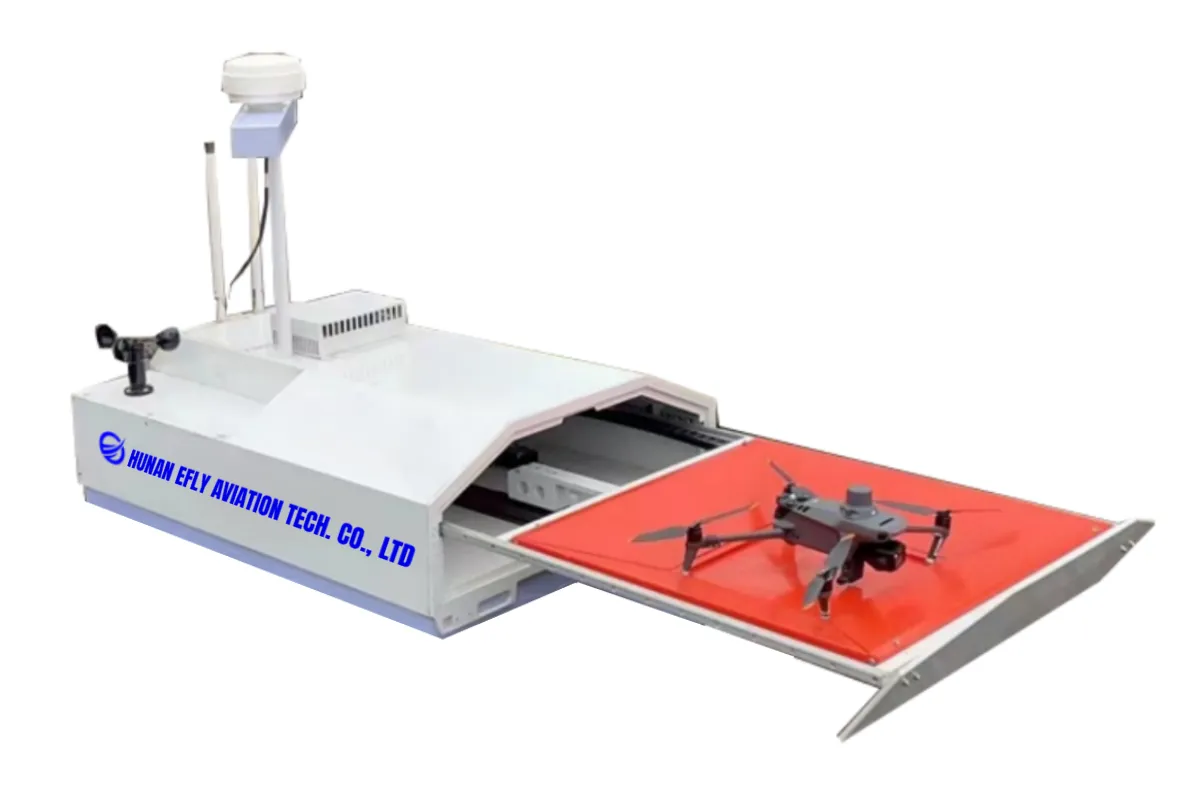
The software analytics suite transforms inspection data into predictive insights—identifying vegetation encroachment, corrosion, and thermal hotspots before failures.
These integrated hubs not only streamline operations but also reduce risks and emissions—contributing to global sustainability goals for smarter infrastructure monitoring.
3. Industry Applications
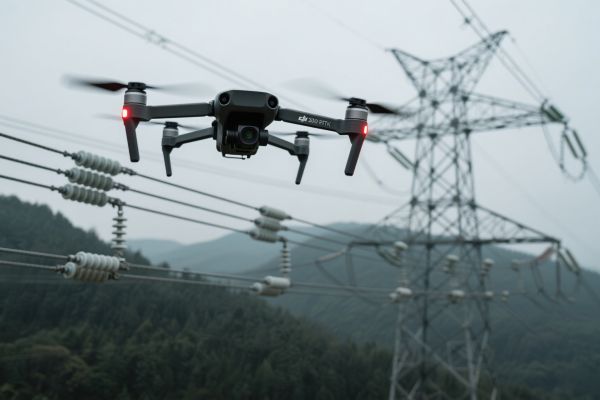
- Power Grid Patrol: Drones stationed in solar-powered hubs autonomously scan transmission lines and cut response times from days to minutes.
- Environmental Monitoring: UAV patrols detect illegal dumping and water-level changes; research in Nature highlights UAVs’ value for biodiversity monitoring.
- Mining Operations: In hazardous zones, lightweight drone hubs support fast redeployment as excavation areas shift.
- Waterway Surveillance: Reservoirs and canals can be inspected continuously using mobile nests paired with AI analytics.
4. Traditional vs. EFLY Drone-Nest Ecosystem
| Parameter | Traditional Inspections | EFLY Drone + Nest Ecosystem |
|---|---|---|
| Cost per km | High (helicopter, labor crews) | Reduced by 40–60% |
| Safety Risk | High (heights, storms, hazardous zones) | Minimal (autonomous inspections) |
| Data Accuracy | Subjective, irregular | AI-enhanced, continuous, high-resolution |
| Response Time | Hours to days | Real-time alerts with predictive modeling |
| Environmental Impact | High emissions (helicopters) | Low, especially with solar hubs |
5. Case Example: Transmission Line Monitoring
A regional utility deployed tower-mounted hubs along a 500 kV corridor, resulting in:
- 35% reduction in outage risk via early vegetation alerts.
- 4× increase in inspection frequency without extra cost.
- Emergency response time cut from 6 hours to <1 hour.
This underscores the potential of drone inspection for grid resilience.
External Validation
Independent reports highlight the global momentum toward autonomous operations:
- IEEE Spectrum showcases advances in drone coordination.
- McKinsey positions automation as central to next-generation operations.
- Leading global institutions emphasize technology adoption to mitigate climate-related infrastructure risks.
Conclusion
By combining drone inspection, software analytics, and nest platforms like the lightweight drone hub and solar-powered drone hub, EFLY Aviation delivers a scalable, cost-effective, and sustainable monitoring ecosystem.
👉 Ready to get started? Visit our contact page.